
YOUR QUESTIONS
Learn about fire-resistant fabrics and how Europrotect supports Personal Protective Equipment (PPE) manufacturers.
 Understanding protective fabrics
What are fire-resistant fabrics?
What is the difference between flame-retardant and fire-resistant fabrics?
Some textiles achieve flame protection through chemical treatments applied to the fabric surface. Fire-resistant fabrics derive their protective properties from the fibres themselves. Because the protection is built into the fabric structure, it remains effective throughout the garment's life. Europrotect specializes exclusively in inherently fire-resistant fabrics.
Are all Europrotect fabrics inherently fire-resistant?
Can fire-resistant fabrics be recycled?
Recycling protective textiles remains a significant challenge because high-performance fibres are complex to recover while maintaining safety and durability. Working closely with strategic partners, Europrotect has developed fabric solutions containing up to 30% recycled content while continuing to meet demanding protection standards and performance requirements.

Choosing the right solution
Who are Europrotect's customers?
Does Europrotect support customers during tenders and product development?
Why do PPE manufacturers choose Europrotect?
What makes Europrotect different?
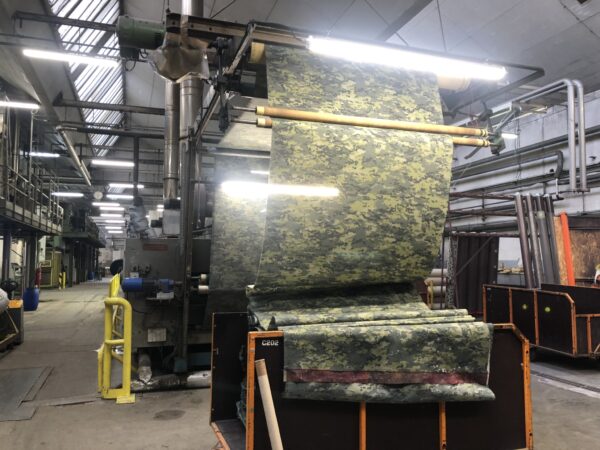
Europrotect combines more than 250 years of textile expertise, integrated manufacturing in France, advanced fibre partnerships and a unique focus on inherently fire-resistant fabrics. Today, customers in more than 40 countries rely on Europrotect to develop protective garments that perform when it matters most.